

Blog
Apis Cerana Indica in Eastern and Northern India: Current Status, Challenges, and Conservation Efforts

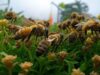
Apis cerana indica, the Asiatic honey bee, has been a cornerstone of India’s biodiversity and agricultural systems for millennia. Native to the subcontinent, these resilient bees are critical pollinators for crops like mustard, litchi, and vegetables. However, habitat loss, pesticide use, and competition from invasive species like Apis mellifera (European honey bees) have pushed them into decline across India. This blog explores the latest status of Apis cerana indica in West Bengal, Bihar, Jharkhand, Uttar Pradesh (UP), and Haryana, along with grassroots efforts to revive their populations.
1. West Bengal: A Beacon of Hope
Status:
- Stable but Threatened: West Bengal hosts one of India’s largest cerana indica populations, thanks to diverse flora like the Sundarbans mangroves, mustard fields, and litchi orchards.
- GI-Tagged Sundarban Honey: The Sundarban’s unique mangrove honey (GI-tagged) is produced exclusively by cerana indica, boosting their economic value.
Initiatives:
- Community Beekeeping: NGOs and the state horticulture department train farmers in Bankura, Purulia, and South 24 Parganas to adopt cerana indica hives.
- Women-Led Hives: Collectives in Diamond Harbour and Baruipur are reviving traditional beekeeping, linking it to organic farming.
Threats:
- Pesticides in vegetable farms (e.g., Nadia, Hooghly).
- Deforestation in the Sundarbans.
2. Bihar: The Litchi Connection
Status:
- Declining in Plains, Thriving in Orchards: Bihar’s Muzaffarpur and Darbhanga litchi orchards still host healthy cerana indica colonies, but populations in rice-wheat belts are shrinking.
Initiatives:
- Litchi-Pollination Projects: Farmers in Muzaffarpur partner with beekeepers to place hives during litchi flowering (March–April), boosting yields by 30%.
- State Support: Bihar’s Apiculture Mission promotes cerana indica as a “climate-smart” pollinator.
Threats:
- Heavy pesticide use in maize and vegetable crops.
- Lack of awareness about native bees.
3. Jharkhand: Tribal Guardians of the Bees
Status:
- Strong in Forested Zones: Indigenous tribes in Khunti, Gumla, and Simdega rely on cerana indica for forest honey. Traditional “log hive” beekeeping is still practiced.
Initiatives:
- Van Sangharsh Samiti: Tribal cooperatives market “wild honey” from cerana indica, ensuring fair prices.
- Eco-Tourism: Bee trails in Netarhat and Betla National Park educate tourists about native bees.
Threats:
- Mining and deforestation fragmenting habitats.
- Illegal honey hunting destroys colonies.
4. Uttar Pradesh: A Mixed Picture
Status:
- Rapid Decline in Western UP: In sugarcane and wheat belts (Meerut, Saharanpur), cerana indica has been largely replaced by mellifera.
- Strongholds in Bundelkhand: Drought-tolerant cerana indica thrives in orchards and forests of Chitrakoot and Banda.
Initiatives:
- UP Beekeeping Policy (2022): Subsidizes cerana indica hives for small farmers.
- Organic Corridors: In Lucknow and Varanasi, farmers create pesticide-free zones to attract native bees.
Threats:
- Monoculture farming (sugarcane, wheat).
- Scorching summers (>40°C) stress colonies.
5. Haryana: On the Brink
Status:
- Critically Endangered: Haryana’s cerana indica populations have plummeted due to industrial farming. Only isolated colonies survive in Aravalli foothills (Morni) and Yamuna Nagar.
Initiatives:
- Morni Hills Conservation: The Forest Department protects wild hives in the Shivalik ranges.
- Urban Beekeeping: Gurugram residents install cerana indica hives on rooftops to aid pollination.
Threats:
- Dominance of mellifera in commercial apiaries.
- Air pollution and water scarcity.
Common Challenges Across States
- Pesticides: Neonicotinoids and glyphosate decimate colonies.
- Habitat Loss: Urbanization and monoculture reduce floral diversity.
- Climate Change: Erratic rainfall and heatwaves disrupt foraging.
- Lack of Policy Focus: Most state schemes prioritize mellifera for higher honey yields.
Conservation Success Stories
- West Bengal’s “Honey Self-Help Groups”: 5,000+ women manage cerana indica hives, linking biodiversity with livelihoods.
- Bihar’s Litchi-Bee Partnerships: Farmers report 25% income rise from pollination services.
- Jharkhand’s Tribal Honey Cooperatives: Earn ₹50 lakh/year from forest honey, protecting 200+ wild colonies.
The Way Forward
To save Apis cerana indica, India needs:
- State-Specific Policies: Ban harmful pesticides in bee zones (e.g., Sundarbans, litchi belts).
- Research: IIT Kharagpur is studying cerana indica’s heat tolerance to develop resilient strains.
- Awareness Campaigns: Highlight their role in food security (they pollinate 70% of India’s vegetables).
Conclusion
Apis cerana indica is not just a bee—it’s a lifeline for India’s ecosystems and small farmers. While threats loom large, grassroots efforts in West Bengal, Bihar, and Jharkhand prove that coexistence is possible. By choosing cerana indica honey, supporting organic farmers, and advocating for policy change, we can ensure these tiny pollinators continue to sustain our food systems.
Join the Buzz!
- Opt for cerana indica honey.
- Plant native flowers (neem, sunflower, mustard).
- Share this blog to spread awareness!
#SaveNativeBees #ApisCeranaIndica #SustainableAgriculture